Low
About Luxagraf

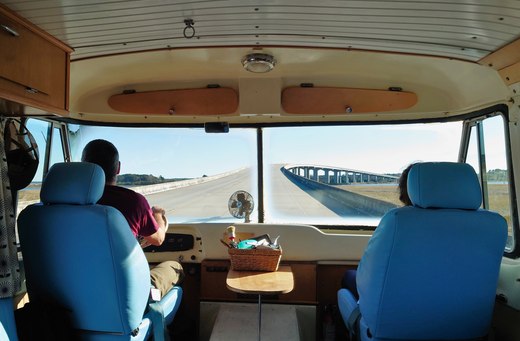
We’re a family of five living full time in a vintage 1969 Dodge Travco motorhome. We’ve been at it for six years now. Sometimes we break down, which led to this Wired magazine story. People sometimes ask: What's it like for five people to live in a 26ft RV? Why do we live this way?
If you're curious, read through the journal. If you like it, sign up for the private mailing list, Friends of a Long Year. You can also sign up to get a postcard from us on the road. Yes. Seriously. Or you might prefer to subscribe to the RSS feed.
Recent
Winter Storm
Wilmington, North Carolina, U.S.
Repair Fail
Oregon Inlet, North Carolina, U.S.
In The Dunes
Oregon Inlet, North Carolina, U.S.
Halloween in the Outer Banks
Oregon Inlet, North Carolina, U.S.
History
First Landing State Park, Virginia, U.S.
Shoreline
Assateague National Seashore, Maryland, U.S.
Farm Life
Wrights Farm, New York, U.S.
Baseball Diamonds
Cooperstown, New York, U.S.Popular

Everyday It’s 1984
Washburn, Wisconsin, U.S.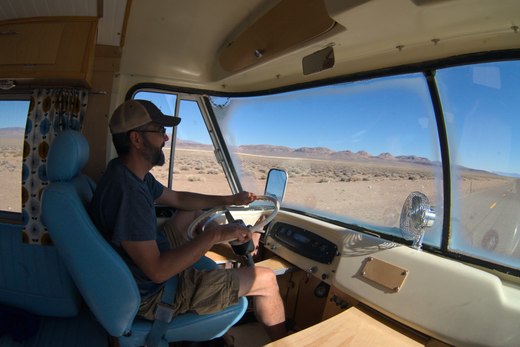
Turn Your Own Wrenches
Gulf Islands National Seashore, Florida, U.S.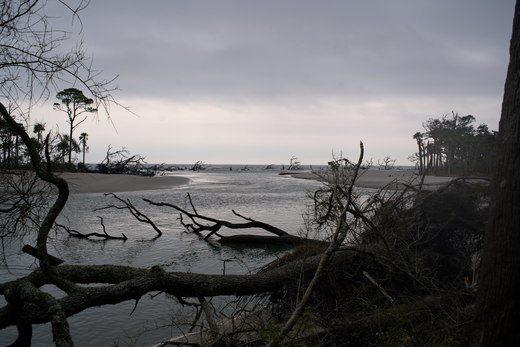
On The Path
Hunting Island State Park, South Carolina, U.S.